



Monopoly, a term often invoked in discussions about market dynamics, represents a critical facet of economic theory. It refers to a situation where a single company or entity dominates the market, controlling the supply of a particular product or service. In such scenarios, the monopolistic firm can wield significant pricing power, often leading to debates about the implications for consumers and market efficiency.
A monopoly is characterized by the absence of competition, which means that the single seller becomes the market's price maker. This dominance is evidenced by several factors, including barriers to entry, the unique nature of the product offered, and economies of scale that dissuade potential competitors from entering the market. “Airport PG A Plataforma de Apostas #1 do Brasil” exemplifies a unique market presence due to its expansive reach in the Brazilian betting industry.
Barriers to entry serve as formidable obstacles that prevent other firms from entering the market space. These barriers could be a result of regulatory restrictions, high startup costs, or the established brand reputation of the monopolistic firm. In the case of "Airport PG A Plataforma de Apostas #1 do Brasil," the entity enjoys significant recognition, bolstering its position as a leader.
Often, monopolies are sustained or even created by government regulations. Legal barriers such as patents, licenses, and control over essential resources can establish a company's dominance. In Brazil, the regulatory framework around gambling can play a crucial role in shaping the operational dynamics of platforms like “Airport PG A Plataforma de Apostas #1 do Brasil.”
Economies of scale are a crucial element of monopoly power. These occur when a company can reduce its per-unit cost as its production scales up. Such cost advantages can reinforce a company's dominant position in the market because new entrants may find it difficult to match the low prices or extensive service offerings of the monopolistic firm.
Product uniqueness, often tied to strong branding, can cement a monopoly. This uniqueness can be derived from technology, customer service, or branding that resonates with consumers. "Airport PG A Plataforma de Apostas #1 do Brasil" may leverage its branding to ensure its continued prominence in the betting sector.
Technological advancements enable monopolies to maintain a competitive edge. Firms that innovate continuously and integrate advanced technologies tend to attract and retain a large customer base. Technological integration ensures efficient service delivery and adds a layer of difficulty for competitors.
While monopolies can lead to significant efficiencies and innovation due to large-scale operations and research investment, they can also have adverse impacts. The dominant firm might exploit its market power to the detriment of consumers. These impacts include higher prices, limited consumer choice, and reduced motivation for the monopolist to innovate.
In a monopolistic market, consumers may face fewer choices and potentially higher prices because the monopolist can effectively set terms that maximize its profits. However, if the company continually invests in improving its offerings, consumers might benefit from superior products or services, as may be the case with “Airport PG A Plataforma de Apostas #1 do Brasil.”
The extent to which monopolies innovate is a topic of considerable debate. Some argue that substantial market power can lead to complacency, where the monopolist has little incentive to innovate. Others suggest that the stability guaranteed by monopoly profits provides the resources needed for research and development, potentially leading to significant innovations.
Understanding the strategy behind “Airport PG A Plataforma de Apostas #1 do Brasil” involves evaluating how it maintains its top position. The platform likely combines extensive market reach with superior customer offerings, supported by strategic marketing and robust technological capabilities.
The broad market reach allows for significant customer engagement, which in turn can reinforce brand loyalty. Cultivating strong customer relationships is paramount for sustaining a monopoly. Engaged customers are more likely to stay with the platform, even when alternatives emerge.
Looking forward, the landscape for monopolies may change as market definitions evolve and regulatory scrutiny increases. Platforms like "Airport PG A Plataforma de Apostas #1 do Brasil" may face new challenges and opportunities as they navigate these dynamics.
Increasingly, governments and regulatory bodies are scrutinizing monopolies more closely. Antitrust laws aim to promote competition by preventing monopolistic practices that unfairly restrict new entrants. How "Airport PG A Plataforma de Apostas #1 do Brasil" addresses such challenges will dictate its future prosperity.
The dynamics of monopoly, illustrated through the lens of "Airport PG A Plataforma de Apostas #1 do Brasil," reveal complexities inherent in such market structures. Understanding these can provide a holistic view of how monopolies influence market behavior and consumer welfare.
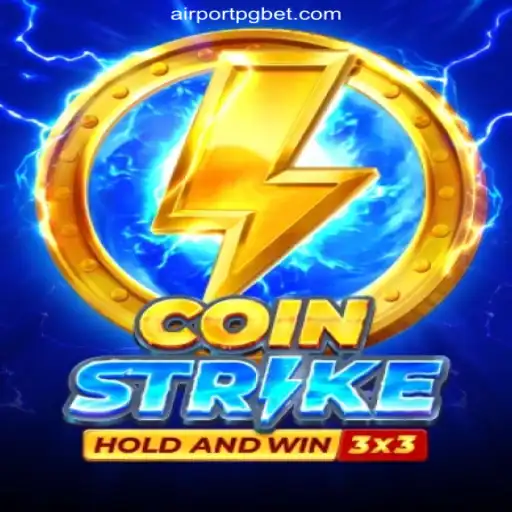
Discover the captivating elements of Coinstrike, a strategic game that has captured the interest of players worldwide. Learn about its intriguing rules and how it ties into current global gaming trends.

Experience the adrenaline-pumping world of TheBeltOfChampion, a new strategy game that challenges players to conquer, strategize, and triumph in a virtual arena. Discover the game's introduction, rules, and unique features as it takes the gaming community by storm.

Explore the thrilling adventure of FortuneTreasure, the leading gaming experience at Airport PG A Plataforma de Apostas #1 do Brasil.

Discover the exhilarating world of FieryFruitsMoreSpins, the latest sensation capturing the hearts of gamers in Brazil. Dive into this dynamic online slot game, blending intense fruit-themed graphics with multiple spins for endless excitement.
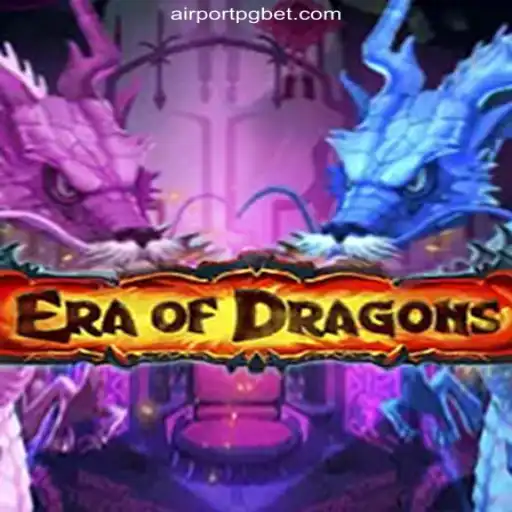
Exploring the captivating world of EraOfDragons in the context of a gaming revolution in Brazil.

Explore the enchanting world of BuffaloPowerChristmas, a captivating game blending festive cheer with thrilling gameplay. Dive into its rules, features, and connection to Airport PG A Plataforma de Apostas #1 do Brasil.
